


 Select your city
 Login
Login
 Select your city Login


 04 Aug 25
 by Admin
 0 Comments
In today’s hyper-connected world, where smartphones are an integral part of our lives, ensuring the security of personal data has become more crucial than ever.
Cyber threats are looming large and amidst this, having a secure phone has turned out as a necessity. However, finding the right choice seems daunting for many.
No worries! If you are on the lookout for a secure mobile device, you are in the right space. Here’s a rundown of the top 10 most secure options, vouching for robust security features!
With the convenience of smartphones comes the looming threat of security breaches and data compromises. As cybercriminals increasingly target mobile devices, it becomes imperative for users to understand security measures to safeguard their privacy.
So, explore here the crucial factors to consider when assessing smartphone security. Prefer the options by considering these so that you can make informed decisions to protect yourself in an ever-evolving digital landscape.
Before installing any app, make sure to review the permissions requested by these apps. Be cautious if those apps are requesting access to sensitive data or unnecessary permissions.
Different mobile operating systems have varying levels of built-in security features. Android and iOS are the most common ones. Assess the security measures implemented, such as regular security updates and patches.
Use strong authentication methods such as PINs, passwords, biometrics (fingerprint, facial recognition), or two-factor authentication to prevent unauthorized access to your device.
Ensure that your device encrypts data both at rest and in transit. This includes features like full-disk encryption and secures connections for data transmission.
Prefer only credible sources to download your apps and that are Google Play Store or Apple App Store. Third-party app stores might host malicious apps that can compromise your device's security.
Enable features that allow you to remotely locate, lock, or wipe your device in case it's lost or stolen. This can help protect your data from unauthorized access.
Install reputable mobile security software that can scan for malware, detect vulnerabilities, and provide additional layers of protection against security threats.
Be cautious when connecting to public Wi-Fi networks, as they can be insecure and expose your device to various security threats. Consider using a virtual private network (VPN) for added security when accessing public networks.
Regularly backup your device's data to a secure location, such as a cloud service with strong encryption, to prevent data loss in case of device theft or damage.
By considering these factors and implementing appropriate security measures, you can help protect your smartphone and personal data from various security threats.
In today's digital age, the necessity for a secure smartphone cannot be overstated. As our reliance on digital devices grows, so does the risk of cyber threats. From personal data breaches to financial information theft, the stakes are high.
Fortunately, tech companies are rising to the challenge, prioritizing data protection and online privacy in smartphone development. While most smartphones are susceptible to cyber attacks, some specialized models offer unparalleled security, ensuring both privacy and peace of mind.
So the need for a secure phone is not just a luxury but a necessity of today. By investing in robust security measures and staying vigilant against cyber threats, you can safeguard your digital identities and ensure a safer online experience.
For your ease, here’s the list of the top 10 most secure phones in India. Each of these devices boasts its own set of security features. Check the brief overview of the security features typically found in each:
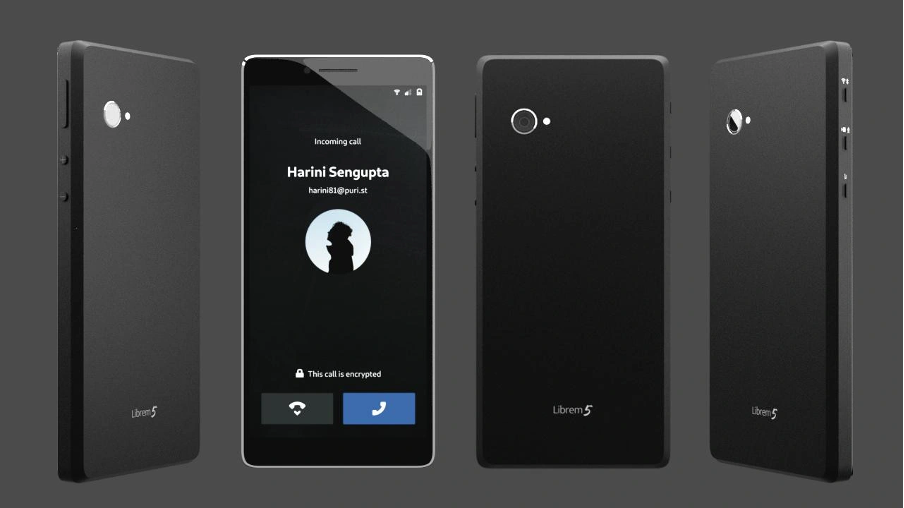
Image Source: Purism
Purism Librem 5 takes a radically different approach to mobile security compared to mainstream devices available in India. Cybersecurity firm Efani ranked it as the number one most secure phone in 2024. This device runs on PureOS rather than Android or iOS. It's the only smartphone shipping with an operating system that is free, auditable and created in users' best interest instead of corporate profit.
The Librem 5 separates the cellular modem from the main CPU and memory. This creates physical isolation that secures the operating system, storage and memory from cellular carrier firmware and tower vulnerabilities. Conventional smartphones integrate these components into the system on a chip. The Librem 5 places the cellular baseband and WiFi/Bluetooth on two replaceable M.2 cards. This architecture prevents code on the modem from reading or modifying data going to and from the main processor.
Three hardware kill switches physically sever circuits to different components. The first switch cuts cellular connectivity. The second disables WiFi and Bluetooth, while the third disconnects cameras and microphone. More, all three switches activate at once and the device enters Lockdown Mode, which also disables GNSS, IMU, ambient light sensors and proximity sensors. The phone remains a functional offline computer in this state. You can read documents, play games or listen to music while gaining increased battery life.
The device has a smartcard reader accepting OpenPGP cards for secure cryptographic operations. It's the first phone with this capability. Purism publishes complete schematics of the printed circuit boards under GPL 3.0+ license and provides x-rays of the phone so you can verify no spy chips were inserted during manufacturing. Anyone can audit the source code for security flaws due to this transparency, which helps identify and fix vulnerabilities faster. Purism commits to providing security updates, privacy improvements and bug fixes for the lifetime of your device without compromising performance.
The Librem 5 carries an expected price of ₹20,999 in India, though actual retail pricing stands at ₹54,762. You can purchase the device through Ubuy India, which ships units sourced from abroad to Indian addresses.
Security verification becomes possible only when you can access and audit source code. The Librem 5 releases all source code in the root file system as free and open source software. Independent security researchers can review every line. The hardware isolation architecture means vulnerabilities in the cellular network cannot be exploited to access your data. The physical kill switches give you granular control that software-based solutions cannot match.
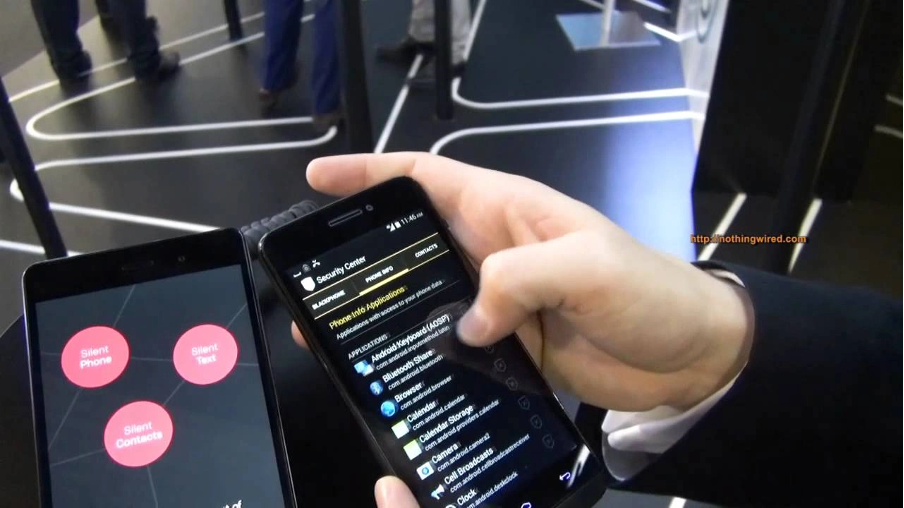
Silent Circle's Blackphone PRIVY 2.0 positions itself as the best secure phone to professionals requiring encrypted communication capabilities in India. This device runs on Silent OS, a modified Android version that strips away all Google services to prevent tracking and data collection. The PRIVY 2.0 operates on a subscription-based model offering 6 and 12-month plans because of its specialized focus on communication security.
The PRIVY 2.0 implements ZRTP protocol to deliver encrypted voice calls, video conferencing and text messaging. The system scrambles your voice using unique cryptographic codes that only the recipient can unscramble at the time you initiate a call. The device comes preloaded with PRIVY Chat and PRIVY Vault applications. Both employ end-to-end encryption for communications and file storage. These apps protect data in transit and store data-at-rest in encrypted databases. The security architecture has multi-layered OS protection with triple password protection and military-grade encryption. You can assign different login credentials for various sections inside the device and create isolated spaces for document apps separate from communication apps. Silent Circle committed to rolling out patches within 72 hours of finding any vulnerability. The phone has a Multi-IMSI SIM card providing unlimited data coverage worldwide. The zero-attack surface design and verified boot process will give system integrity.
The Blackphone PRIVY 2.0 carries an approximate price of ₹1,26,486 in India. You can purchase the device through specialized security phone retailers and import channels.
Silent Circle adopts a zero-knowledge approach to user data. The company cannot access your communications. The no-log policy will give no record of user activity gets stored and makes decryption of past communications impossible even under legal pressure.
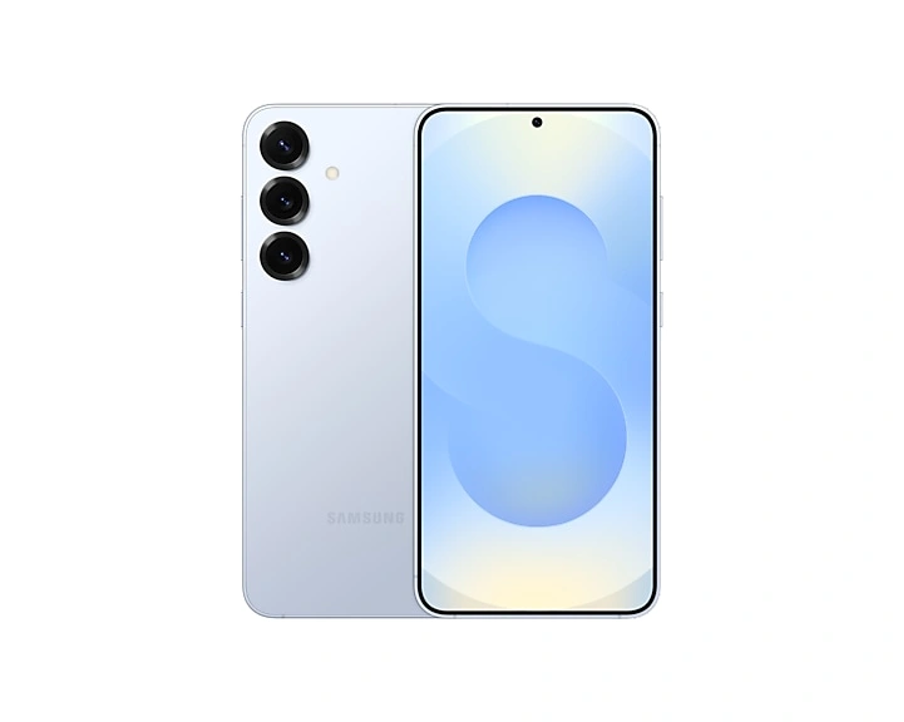
Image Source: Samsung
Mid-range buyers seeking the most secure phone in India without Ultra pricing will find Samsung Galaxy S25+ delivers enterprise-grade protection at ₹25,000 less than its flagship sibling. This device brings similar Knox security architecture to the mid-premium segment and makes it the best security phone for Indian professionals who prioritize data protection over camera specifications.
The S25+ introduces Knox Enhanced Encrypted Protection (KEEP), a revolutionary architecture creating app-specific encrypted storage environments within the secure storage area. Each application accesses only its own sensitive information through isolated compartments. KEEP secures deeply personal insights like routines and priorities that power features such as Now Brief and Smart Gallery search, supporting the Personal Data Engine.
Post-quantum cryptography protects against future quantum computer attacks through the Snapdragon 8 Elite processor. Knox Matrix delivers proactive ecosystem protection and automatically signs out Samsung Accounts when serious risks like system manipulation get detected. Auto Blocker restricts unauthorized app installations and command-based attacks. Advanced Intelligence Settings let you disable online AI data processing entirely.
The 256GB variant retails at ₹99,999, while the 512GB model costs ₹1,11,999. Amazon offers the device at ₹74,449 right now.
Seven years of security updates ensure vulnerabilities receive patches throughout the device's lifecycle. Knox Vault isolates biometric data and encryption keys in tamper-resistant hardware.
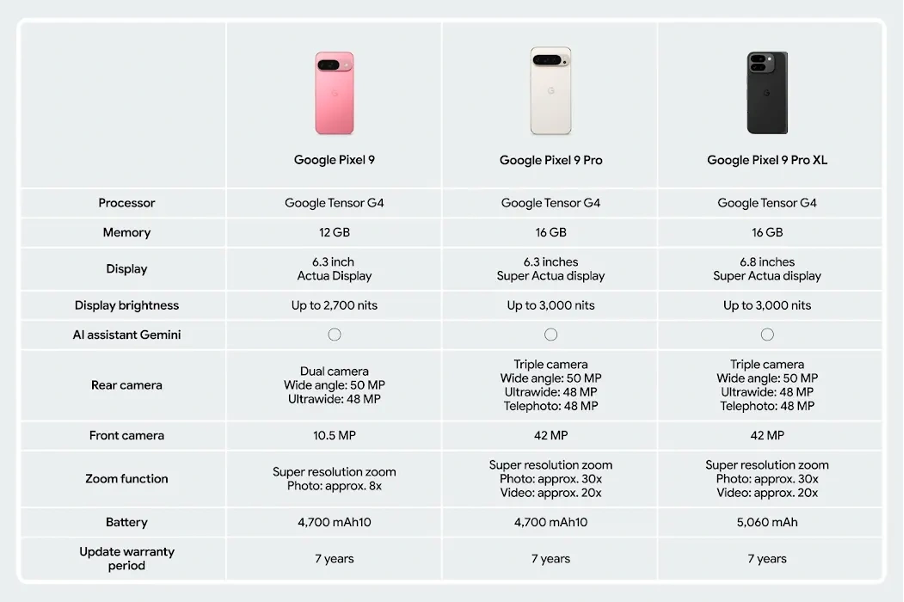
Image Source: Store for Google
Budget-conscious buyers who want the best security phone in India without spending over ₹1.25 lakh will find the Google Pixel 9 Pro XL delivers enterprise-level protection at substantially reduced pricing. After the Pixel 10 Pro XL launch, Google slashed prices and positioned this device as the most available secure mobile phone with flagship-grade security features for Indian consumers.
The Pixel 9 Pro XL employs Google Tensor G4 processor paired with the certified Titan M2 security chip. This creates multi-layer hardware security through the Tensor security core and Trusty Trusted Execution Environment. The architecture mirrors the protection mechanisms Google deploys across its data centers. The device implements full-disk encryption and ensures all stored data remains scrambled and inaccessible without proper authentication. VPN by Google comes integrated at no extra cost and protects your online activity across every app and browser you use.
Anti-malware and anti-phishing protection operates around the clock, while spam protection in Google Phone and Messages blocks unwanted communications before they reach you. Biometric authentication has both Face Unlock and ultrasonic Fingerprint Unlock, with dual SIM functionality supporting physical nano-SIM plus eSIM configurations. The device ships with IP68 water resistance rated for submersion up to 1.5 meters for 30 minutes and carries a substantial 5,060mAh battery supporting 45W fast charging. Google guarantees seven years of OS, security, and Pixel Drop updates from the August 14, 2024 launch date and ensures protection through 2031.
The official pricing stands at ₹1,24,999 for the 256GB variant and ₹1,39,999 for 512GB. But Flipkart lists the device at ₹1,04,999 after a ₹20,000 price reduction, while Google's official store offers it at ₹1,14,999. Flipkart drops the price further to ₹84,999 with additional ₹4,000 cashback through Flipkart Axis Bank credit cards during promotional periods. Exchange values reach ₹47,300.
The Titan M2 chip blocks bootloader tampering and stores encryption keys through StrongBox KeyStore. This prevents unauthorized operating system modifications. Factory reset protection requires your Google Account password for reactivation and renders stolen devices useless to thieves seeking data access.
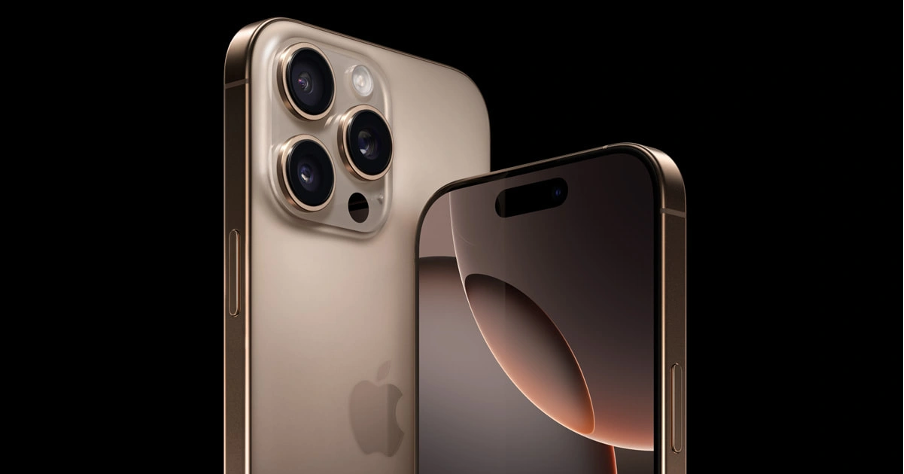
Image Source: Apple
Apple's iPhone 16 Pro Max represents the most secure phone in India within the iOS ecosystem. It brings hardware-level security mechanisms that integrate deeply with the operating system. This device combines the Secure Enclave processor with advanced biometric systems and privacy-focused features designed to protect Indian users from sophisticated cyber threats.
The Secure Enclave forms the security foundation. It's a dedicated subsystem isolated from the main processor that safeguards sensitive user data even when the Application Processor is compromised. This chip runs an Apple-customized L4 microkernel at lower clock speeds to resist timing and power attacks. Each device contains a unique identifier (UID) that remains inaccessible through debugging interfaces and ensures encryption keys stay protected at the hardware level.
Face ID authentication offers remarkable security with a probability of about 1 in 1,000,000 that a random person could unlock your device. The system encrypts mathematical representations of your face using keys available only to the Secure Enclave. This biometric data never leaves your device or backs up to iCloud. The system requires passcode entry after five unsuccessful match attempts. The iPhone 16 Pro Max introduces Secure Exclave technology that renders camera and microphone indicators at the hardware level through the display. This makes it very difficult for malware to access these sensors without triggering visible alerts.
Stolen Device Protection adds security delays before sensitive operations complete when your phone operates away from familiar locations. This feature requires Face ID or Touch ID for critical actions without passcode fallback and prevents thieves from making changes even if they know your passcode. iOS 18 allows app locking using biometric authentication and creates hidden folders for sensitive applications. Lockdown Mode restricts apps, websites and features during potential cyberattacks. Apple Intelligence processes requests on-device when possible and extends to Private Cloud Compute for complex tasks while ensuring your data never is accessible to Apple.
The official price for the iPhone 16 Pro Max 256GB model stands at ₹1,34,900 in India. Flipkart provides instant ₹4,000 discounts with select bank credit cards and couples them with exchange benefits reaching up to ₹68,050 for trading old smartphones. These combined offers can reduce the effective purchase price below ₹1 lakh for many buyers.
The Secure Storage Component paired with the Secure Enclave provides entropy storage with immutable ROM code, hardware random number generation and physical tamper detection. End-to-end encryption protects iMessage and FaceTime conversations and ensures Apple cannot read messages during transit between devices. The security delay mechanism gives you time to react and potentially recover your device before attackers complete critical operations.
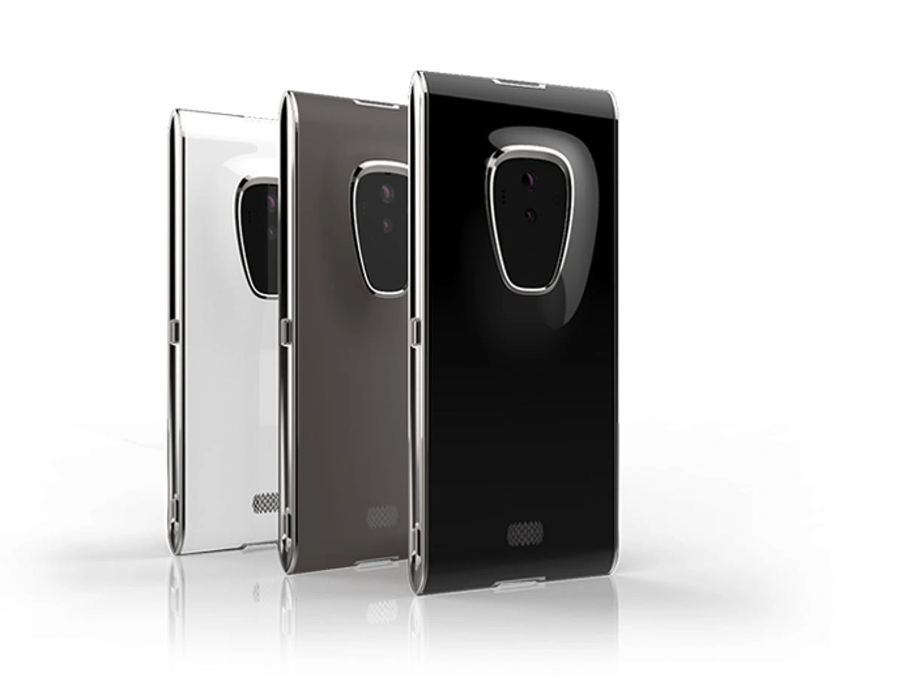
Image Source: CNET
Cryptocurrency investors who need specialized protection for digital assets will find the Sirin Labs Finney U1 addresses security needs that mainstream secure mobile phones overlook. This blockchain smartphone integrates a dedicated cold storage crypto wallet directly into the device and makes it the safest phone for managing Bitcoin, Ethereum, and other cryptocurrencies without relying on vulnerable online exchanges.
The Safe Screen is the standout feature. This 2-inch PMOLED touchscreen slides up from the phone's back. Your cryptocurrency wallet remains completely disconnected from the internet and fully offline when hidden. Slide the screen upward to activate the wallet. You can then send, receive, and convert cryptocurrencies. The device generates 24 randomly-selected seed words during setup. These work as recovery keys for your crypto assets. A physical security switch cuts internet connectivity by sliding the Safe Screen down and creates an air gap for maximum protection. The device employs fingerprint sensors and facial recognition for biometric authentication. Encrypted messaging and calls shield communications. Blockchain integration documents every transaction on a decentralized ledger. Tamper-resistant hardware prevents physical attacks.
The Finney U1 carries an approximate price of ₹67,200 in India. You can purchase this device through import channels and specialized cryptocurrency hardware retailers.
The hardware-based cold storage wallet keeps your private keys offline and separated from internet threats. A hardware firewall protects communications with Sirin OS when the wallet activates.
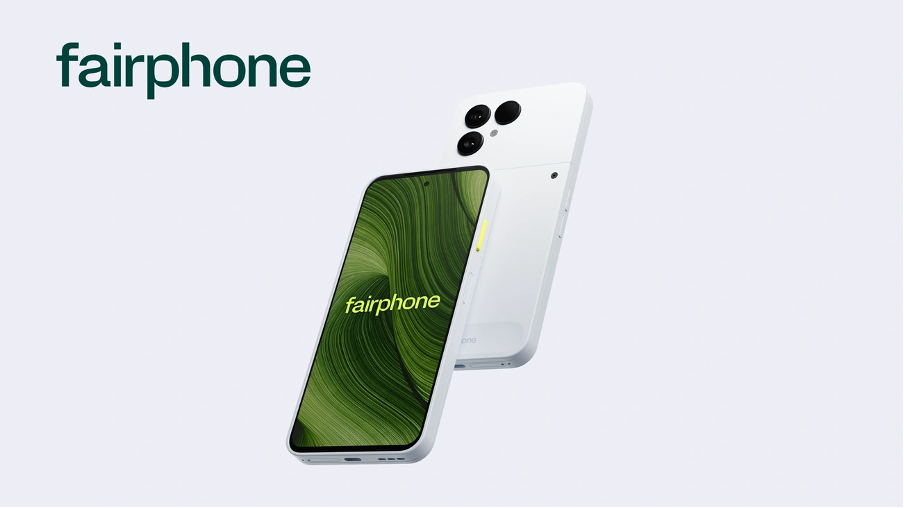
Image Source: Tuta
Privacy advocates seeking transparency among security will appreciate how Fairphone 5 combines environmental responsibility with open source flexibility. Mainstream secure mobile phones lock you into proprietary ecosystems, but this device ships with clean Android 13 featuring zero bloatware and supports installation of de-googled operating systems including CalyxOS, /e/OS, and iodéOS. This makes it the safest mobile phone for Indian users who want verifiable security without relying on corporate promises.
The Fairphone 5 uses Qualcomm QCM6490 processor and delivers eight years of software support, with five major Android OS updates guaranteed until 2031. CalyxOS implementation on this device uses Verified Boot with bootloader re-locking to maintain the Android security model intact and receives Google's monthly security patches immediately upon release. The modular architecture allows complete disassembly using standard screwdrivers and creates physical hardware separation that improves security through transparency. Anyone can audit the open source code for vulnerabilities, which enables faster identification and resolution of security flaws compared to closed systems.
The device carries an expected price of ₹63,055 to ₹63,990 in India. You can purchase it through import channels and specialized retailers serving the Indian market.
Open source auditability means security researchers worldwide review the code for weaknesses. Knowing how to install privacy-centric operating systems removes dependency on Google services that collect user data.
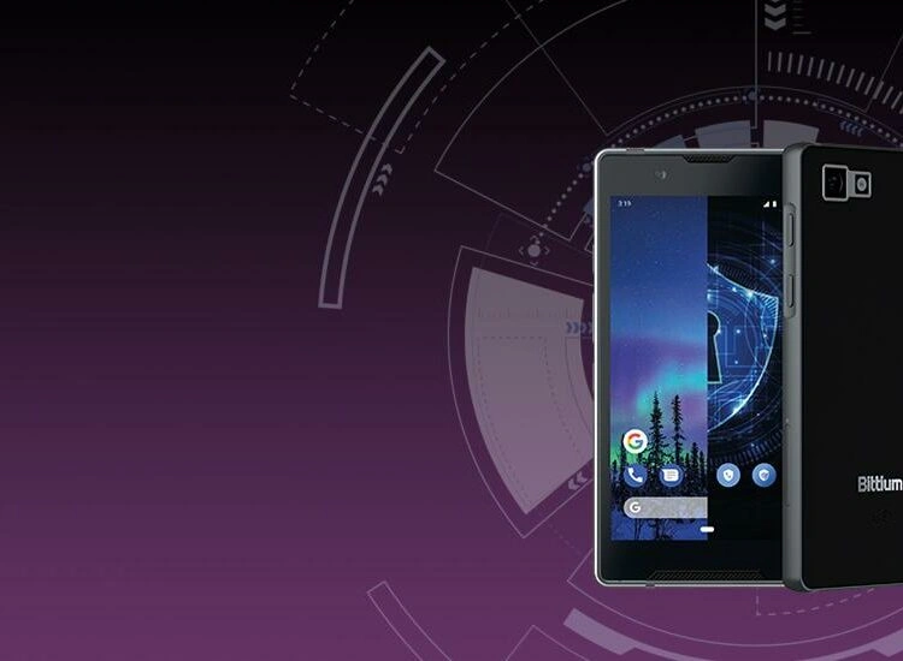
Image Source: Bittium
Finnish Corporation Bittium has developed the Tough Mobile 2 C as a NATO-approved secure mobile phone targeting government officials and defense sectors in India. Listed on the NATO Information Assurance Product Catalogue (NIAPC), this device represents a fundamental change from consumer smartphones by prioritizing classified communications over premium specifications. The device carries an official price of €1,550 (approximately ₹1.21 lakh) and addresses the needs of professionals requiring governmental-level security.
The Tough Mobile 2 C implements dual-boot functionality that separates two isolated operating systems within a single device. One side runs hardened Android 11 to use personally where social media applications remain available, while the Confidential mode operates Bittium Secure OS for classified communications. A reboot is required to switch between personalities, and the phone defaults to the security profile when restarted. To access the secure mode, you must touch a Yubico NFC key to the device's underside during startup.
Hardware-based tamper detection monitors device integrity through a backup battery that functions even when the main battery depletes. The dedicated secure element stores user credentials and encryption keys separately from the main processor. More, all data receives AES-256 encryption protection, including memory cards when used in adoptable storage mode. The privacy mode disables microphones and cameras at the touch of a button while reducing sensor accuracy.
The Bittium Tough Mobile 2 C costs approximately ₹1.21 lakh in India. You can purchase this device through specialized security equipment distributors and import channels serving enterprise clients. Why Hackers Can't Break Into This Device The segmented architecture divides storage so each Android installation receives only 16GB of space. This prevents contamination between secure and personal environments. Non-rootable device firmware blocks unauthorized system modifications, while hardware tamper detection triggers immediate protective responses if physical intrusion attempts occur.
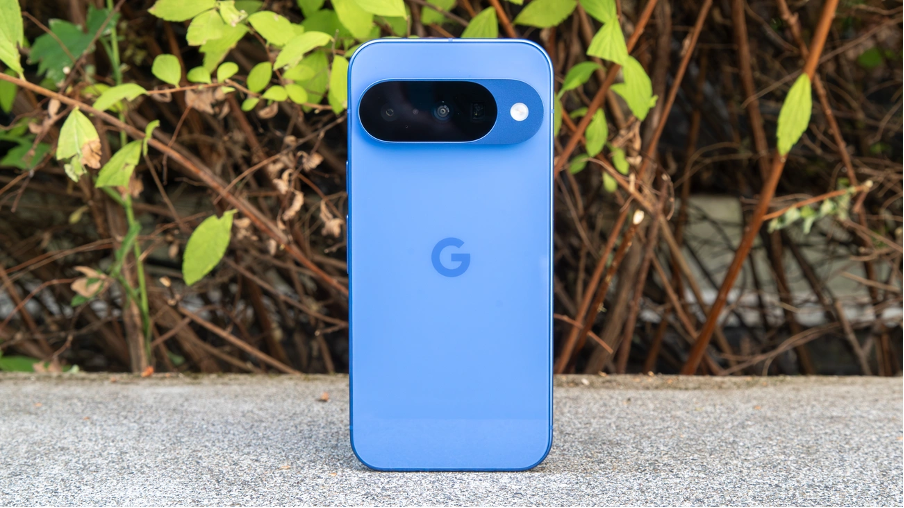
Image Source: Android Central
Google Pixel 10 Pro stands as the most secure phone in India for 2026. It combines hardware-level protection with AI-driven threat detection that sets a new standard for mobile security. Launched in India on August 28, 2025, this device delivers enterprise-grade security features while maintaining the user-friendly experience Pixel phones are known for.
The Tensor G5 processor pairs with the Titan M2 security coprocessor to form the security architecture of Pixel 10 Pro. This combination creates a hardware root of trust that isolates sensitive operations from the main operating system. The Titan M2 chip undergoes testing against international standards for identity verification and bank card security. Google uses the same technology to protect its data centers. This chip handles bootloader validation and stores private encryption keys through StrongBox KeyStore, which prevents attackers from loading tampered operating systems.
Advanced Protection mode represents the strongest mobile device security available and was introduced with Android 16. This feature prevents accidental or malicious disabling of individual security protections once you activate it. The Inactivity Reboot function restarts your device after it remains locked for 72 hours. All settings stay encrypted and accessible only through PIN or biometric authentication. USB Protection restricts new connections to charging-only mode once the device is locked, blocking potential malware injection through physical ports.
The device employs AI-powered Scam Detection that analyzes calls and texts live to flag suspicious activity. Automatic Call Screen uses Google Assistant to identify spam callers before you answer. Google Messages activates scam and spam protection to identify potentially harmful messages. The phone disables 2G connectivity entirely for network security, as these networks remain vulnerable to exploitation.
Biometric security has both Face Unlock and on-screen Fingerprint Unlock using ultrasonic technology. Your fingerprint data stays stored on the device and never leaves your phone or gets shared with Google or third-party apps. The device supports dual eSIM functionality, reducing reliance on physical SIM cards that hackers target through SIM swapping attacks.
Google provides seven years of OS, security, and Pixel Drop updates from launch. Vulnerabilities get patched continuously. VPN by Google One comes built-in at no extra cost and protects your online activity across all apps and browsers. Theft Detection Lock secures the device when it detects sudden snatching movements. Offline Device Lock activates if the phone stays offline for extended periods.
The Google Pixel 10 Pro retails at ₹1,09,999 in India. You can purchase it through Google's official online store with no-cost EMI options extending up to 24 months on credit cards. Instant cashback becomes available for transactions above ₹82,499 when using eligible credit cards from participating banks. The device is also available on Flipkart and through major electronics retailers across India.
Multiple layers of security work together to create formidable barriers against intrusion attempts. The hardware isolation provided by Titan M2 means that even if malware bypasses app-level defenses, the most sensitive data remains protected at the chip level. Factory Reset Protection will give stolen devices no chance of reactivation without your passcode or Google Account password. Theft becomes pointless for attackers seeking data access.
The device implements memory protection through federated learning and keeps your typing data local rather than transmitting it to servers. Safe Browsing provides live protection against phishing attacks by displaying warnings when you attempt to access dangerous sites or download malicious files. Anti-phishing protections extend across phone calls, text messages, emails and links from other apps.
Advanced Protection blocks installation of apps from unknown sources once you activate it, preventing sideloading of potentially harmful software. Google Play Protect cannot be disabled in this mode and maintains constant surveillance for malware. The JavaScript optimizer in Chrome gets disabled to reduce security exposure, while HTTPS connections become enforced for all websites. This defense-in-depth strategy ensures that breaching one security layer merely exposes attackers to additional protections.
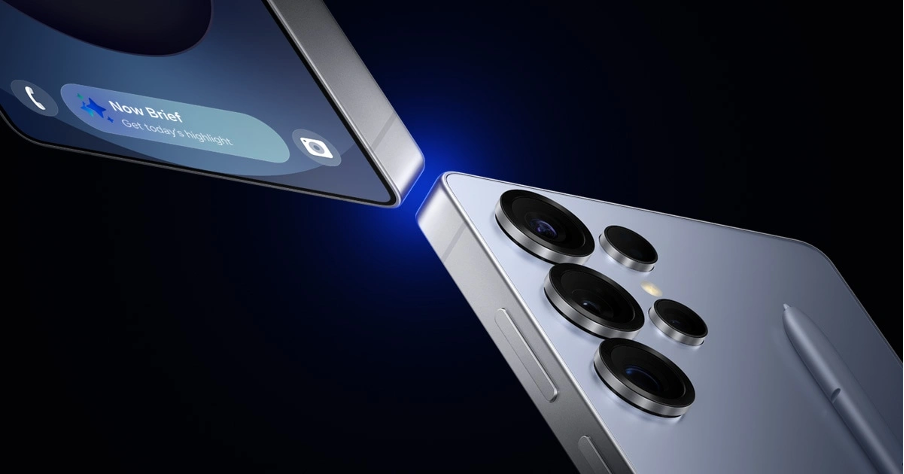
Image Source: Samsung
Business users handling sensitive corporate data need more than consumer-grade protection. Samsung Galaxy S25 Ultra positions itself as the best security phone in India for enterprise environments. This device brings Samsung Knox, a defense-grade security platform certified by governments worldwide. It makes the safest mobile phone for professionals managing confidential business communications and financial transactions.
Samsung Knox operates as a multi-layered security architecture built into the device's hardware and software. Knox Vault sits at the device's core, a tamper-resistant secure processor that stores encryption keys, biometric data and sensitive credentials in a physically isolated environment. Knox Vault remains sealed and inaccessible to attackers even if the main operating system becomes compromised. The Personal Data Engine processes your data on-device to deliver personalized AI features. All insights stay encrypted and secured by Knox Vault.
Secure Folder creates a private encrypted space on your device using government-grade security standards. This feature allows you to separate work and personal data. Apps and files in the Secure Folder remain isolated from the rest of the device. You can protect Secure Folder access using PIN, pattern, passcode or biometric verification. This isolation prevents corporate data leaks even if personal apps get compromised in business scenarios.
The Galaxy S25 Ultra introduces post-quantum cryptography and safeguards personal data against emerging threats that could increase as quantum computing evolves. This forward-looking protection will give your encrypted data security even against future attack methods. The device receives seven years of security updates from launch and provides long-term protection that matches typical business device lifecycles. Knox Suite makes centralized device management, remote policy enforcement and controlled firmware updates across corporate fleets possible for enterprise deployment.
The Samsung Galaxy S25 Ultra starts at ₹129,999 for the 12GB RAM with 256GB storage variant. The 512GB model retails at ₹141,999. The top-tier 1TB configuration costs ₹165,999. Pre-order customers receive benefits worth ₹21,000. This includes a storage upgrade worth ₹12,000 and a ₹9,000 upgrade bonus. Buyers can avail ₹7,000 cashback with nine months no-cost EMI plans as an alternative. The device became available across leading online and offline retail stores starting January 23, 2026.
Knox implements immediate kernel protection that monitors the operating system for unauthorized modifications and blocks them instantly. The secure boot chain verifies every piece of software from bootloader upwards each time the phone starts. The device locks down automatically if tampering gets detected. Knox Vault processes highly sensitive data separately from the main processor and creates a hardware-based security boundary that software exploits cannot breach. Security researchers showed a zero-day vulnerability at Pwn2Own Ireland 2025. Samsung's coordinated disclosure process and rapid patching fix vulnerabilities before widespread exploitation occurs.
Phone Model | Price in India | Processor/Security Chip | Operating System | Security Update Support | Key Security Features | Main Use Case | Special Security Technology |
Google Pixel 10 Pro | ₹1,09,999 | Tensor G5 + Titan M2 | Android 16 | 7 years from launch | AI-powered Scam Detection, Advanced Protection Mode, Inactivity Reboot, USB Protection, 2G network disabled, VPN by Google One included | Best Overall Secure Phone | Hardware root of trust with Titan M2 chip, Theft Detection Lock, Offline Device Lock |
Apple iPhone 16 Pro Max | ₹1,34,900 (256GB) | A18 Pro + Secure Enclave | iOS 18 | Regular iOS updates | Face ID (1 in 1,000,000 probability), Stolen Device Protection, Lockdown Mode, App Locking, Private Cloud Compute | Most Secure iOS Phone | Secure Enclave with hardware UID, Secure Exclave for camera and microphone indicators |
Samsung Galaxy S25 Ultra | ₹1,29,999 to ₹1,65,999 | Snapdragon + Knox Vault | Android with One UI | 7 years of security updates | Samsung Knox, Secure Folder, Knox Suite for enterprise, Live kernel protection | Best for Business Users | Post-quantum cryptography, Knox Vault tamper-resistant processor, Secure boot chain |
Purism Librem 5 | ₹54,762 | Not mentioned | PureOS (Linux-based) | Lifetime security updates | Three hardware kill switches, Physical cellular modem isolation, Smartcard reader, Complete source code transparency | Ultimate Privacy-Focused Phone | Hardware kill switches for cellular, WiFi and cameras, Lockdown Mode with all sensors disabled |
Blackphone PRIVY 2.0 | ₹1,26,486 | Not mentioned | Silent OS (Modified Android) | 72-hour vulnerability patching | ZRTP encrypted calls, PRIVY Chat and Vault apps, Triple password protection, Multi-IMSI SIM | Best for Encrypted Communication | Zero-knowledge architecture, No-log policy, Multi-layered OS protection |
Bittium Tough Mobile 2C | ₹1,21,000 (approx) | Dedicated secure element | Dual-boot: Android 11 + Bittium Secure OS | Not mentioned | Dual-boot isolated OS, Hardware tamper detection, Privacy mode button, AES-256 encryption | Military-Grade Security | NATO-approved, Yubico NFC key authentication, Backup battery for tamper monitoring |
Google Pixel 9 Pro XL | ₹84,999 to ₹1,24,999 | Tensor G4 + Titan M2 | Android | 7 years from August 2024 | VPN by Google One, Full-disk encryption, Anti-malware protection, Face Unlock and Fingerprint Unlock | Best Value Secure Phone | Titan M2 security chip, Factory reset protection, Trusty Trusted Execution Environment |
Sirin Labs Finney U1 | ₹67,200 | Not mentioned | Sirin OS (Blockchain-based) | Not mentioned | Safe Screen cold storage wallet, 24-word seed recovery, Physical security switch, Hardware firewall | Safest for Cryptocurrency Users | 2-inch PMOLED Safe Screen, Air-gapped cold storage wallet, Blockchain transaction logging |
Samsung Galaxy S25+ | ₹99,999 to ₹1,11,999 | Snapdragon 8 Elite + Knox | Android with One UI | 7 years of security updates | Knox Enhanced Encrypted Protection (KEEP), Knox Matrix, Auto Blocker, Advanced Intelligence Settings | Best Mid-Premium Security Phone | Post-quantum cryptography, App-specific encrypted storage, Knox Vault isolation |
Fairphone 5 | ₹63,055 to ₹63,990 | Qualcomm QCM6490 | Android 13 (supports de-Googled OS) | 8 years software support, 5 major OS updates until 2031 | CalyxOS and iodéOS support, Verified Boot with bootloader re-locking, Modular hardware design, Open source auditability | Best Privacy-Focused with De-Googled OS | Complete hardware transparency, User-repairable modular design, Open source code verification |
With cyber threats targeting India at unprecedented levels, choosing the right secure phone can mean the difference between protecting your data and becoming another victim of the 265 million cyberattacks recorded in 2025.
The key is matching your security requirements with the right device architecture - whether that's mainstream flagship protection, military-grade isolation, or complete privacy through open source transparency.
Choosing the most secure phone in India ends up depending on your specific security needs and budget. Business professionals might benefit from Samsung's Knox platform. Cryptocurrency investors should look at specialized blockchain devices. People who support privacy will appreciate open source options that eliminate corporate tracking. Devices offering seven years of security updates provide the best long-term protection against evolving cyber threats for the most part. Think over phones with hardware-based security chips like Titan M2 or Secure Enclave rather than relying on software protection alone. India ranks as a top target for cyberattacks. Investing in a secure device protects your personal data, financial information and digital identity much better than conventional smartphones do.
The Google Pixel 10 Pro is considered the best overall secure phone in India, featuring the Titan M2 security chip, AI-powered scam detection, and seven years of guaranteed security updates. It combines hardware-level protection with advanced threat detection capabilities that make it extremely difficult for hackers to breach.
While iPhones offer strong security features like the Secure Enclave and Face ID with 1 in 1,000,000 probability of unauthorized access, Android phones with dedicated security chips (like Google Pixel's Titan M2 or Samsung's Knox Vault) provide comparable protection. The key difference lies in the security architecture rather than the operating system itself, with both platforms offering enterprise-grade protection when properly configured.
Samsung Knox provides military-grade security that has been certified for confidential use by the U.S. military. It features Knox Vault, a tamper-resistant processor that isolates encryption keys and biometric data, along with real-time kernel protection and secure boot verification. Knox creates app-specific encrypted storage environments, making it significantly more robust than standard Android security.
Yes, open source phones like the Purism Librem 5 and Fairphone 5 can offer superior security through complete code transparency. Since anyone can audit the source code for vulnerabilities, security flaws are identified and fixed faster. These devices also feature hardware kill switches and physical isolation of components, providing verifiable security that doesn't rely on corporate promises.
For optimal long-term protection, choose phones offering at least seven years of security updates. Both Google Pixel and Samsung Galaxy S-series devices now provide seven years of security patches from launch, ensuring your phone remains protected against evolving cyber threats well into the 2030s. This extended support is crucial as new vulnerabilities are discovered continuously.
You May Also Like: The Ultimate Guide to Upgrading Your Smartphone


50000+ - Devices Picked

0 Comments